Get Fence Staining
Fence staining services help property owners protect, improve, and update wood fences by applying stain to enhance appearance and prevent damage from weathering.
If you’re considering enhancing the appearance and durability of your fence, you’re in the right place. Fence staining services can help protect your property from weathering, prevent damage, and improve curb appeal. Property owners in the area often explore staining as a practical way to extend the life of their fences while maintaining a fresh, well-kept look. Whether you’re preparing for upcoming seasons or simply want to refresh your outdoor space, understanding your options and planning ahead can make a significant difference.
There are many local contractors experienced in fence staining, providing a variety of solutions tailored to different types of fences and property needs. Comparing these service providers can help identify the best approach for your project, ensuring the work aligns with your property’s style and long-term maintenance goals. Keep reading to discover how to connect with trusted local experts who can handle your fence staining project efficiently and effectively.
- Fence Staining for Wood Fences - when a homeowner wants to enhance the appearance and durability of their wooden fencing.
- Fence Staining for Privacy Fences - to improve privacy and add a protective layer against weather elements.
- Fence Staining for Decorative Fences - to highlight design details and maintain the fence’s aesthetic appeal over time.
- Fence Staining after Fence Installation - to protect new fencing from moisture, UV damage, and wear.
- Fence Staining for Old or Faded Fences - to restore color and extend the life of aging or weathered fencing.
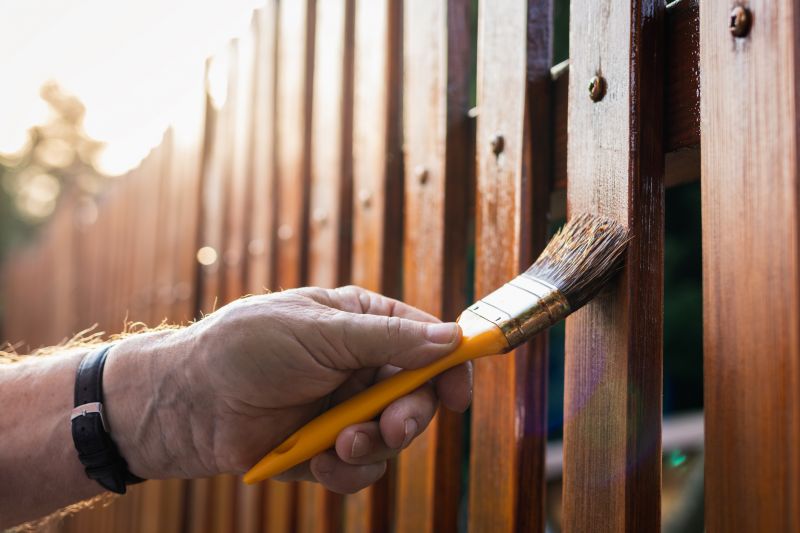
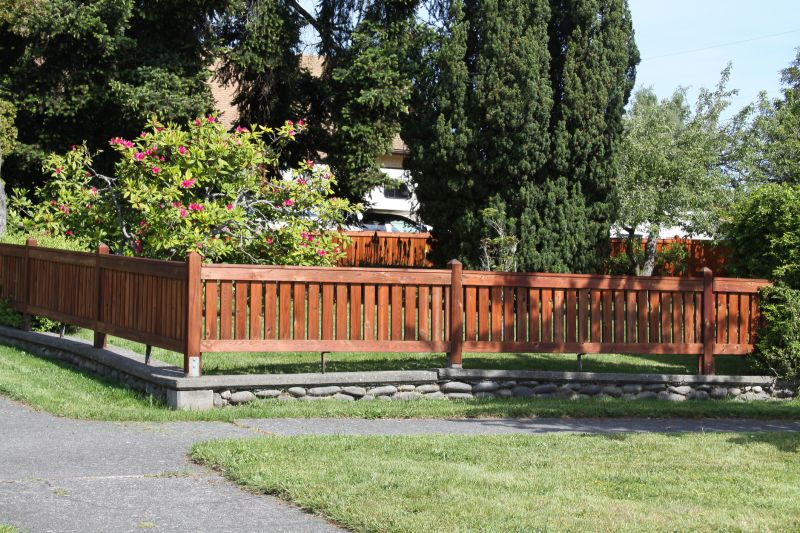
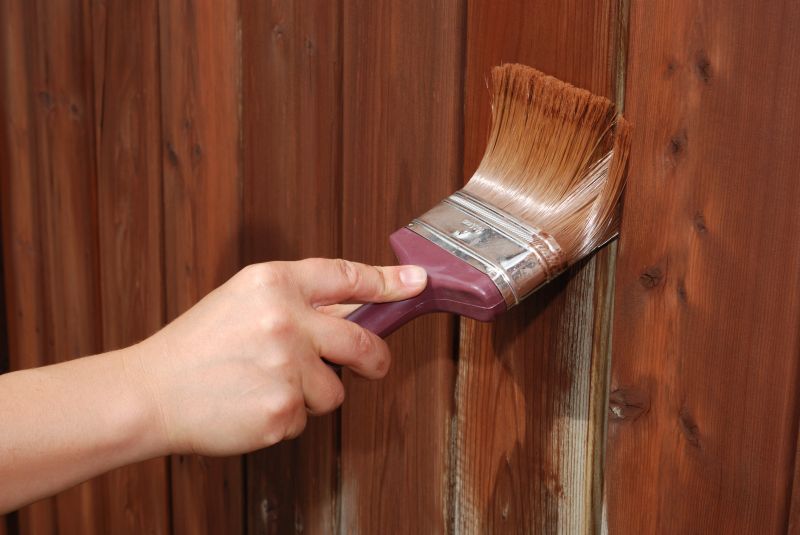
Fence staining services involve applying a protective and decorative finish to the surface of a fence, typically using specialized stains or sealers. This process enhances the appearance of the wood, bringing out natural grain and color, while also providing a layer of protection against weather elements such as rain, sun, and humidity. Proper staining can extend the lifespan of a fence by reducing the effects of moisture and preventing issues like warping, cracking, or rotting. Many local contractors offer fence staining as part of their outdoor property maintenance services, helping homeowners preserve their fences and improve curb appeal.
One common reason homeowners seek fence staining is to address problems caused by exposure to the elements. Over time, wood fences can fade, discolor, or develop surface damage due to sun exposure, moisture, or temperature fluctuations. Staining helps restore the fence’s appearance and provides a barrier that minimizes further damage. It can also help prevent the growth of mold, mildew, and algae, which can compromise the integrity of the wood. Regular staining is often recommended for fences that have started to look dull or faded, or for those that are showing signs of weather-related wear.
Fences are used on a variety of property types, including residential yards, commercial landscapes, and community parks. Homeowners with privacy fences, picket fences, or decorative wood panels are common clients for staining services. These fences are often made of materials like cedar, pine, or redwood, which respond well to staining. Property owners who want to maintain a uniform look or protect their investment in outdoor structures frequently seek out local service providers for fence staining. The service can be tailored to different styles and wood types, ensuring the finish complements the overall aesthetic of the property.
Homeowners typically consider fence staining when their fence looks worn, faded, or weathered, or if they want to prevent future damage. It’s also a good choice for fences that have been recently installed and need a protective finish to extend their lifespan. Regular staining can help maintain the fence’s appearance and structural integrity, making it a practical step in outdoor property upkeep. Local contractors can assess the condition of a fence and recommend the appropriate stain or sealer to meet specific needs, ensuring the fence remains durable and attractive for years to come.
The overview below groups typical Fence Staining projects into broad ranges so you can see how smaller, mid-sized, and larger jobs often compare in your area.
In many markets, a large share of routine jobs stays in the lower and middle ranges, while only a smaller percentage of projects moves into the highest bands when the work is more complex or site conditions are harder than average.
Smaller Fence Areas - For routine staining of smaller fences, local contractors typically charge between $250 and $600. Many projects fall within this range, especially for standard-sized residential fences. Larger or more detailed jobs can cost more, depending on fence length and condition.
Medium-Sized Projects - Medium-sized fences, often found in suburban yards, usually cost between $600 and $1,200 to stain. These projects are common and tend to be straightforward, though costs can increase with fence height or material complexity.
Larger or Complex Fences - Larger or more intricate fencing projects can range from $1,200 to $3,000 or more. These tend to be less frequent but are necessary for extensive or custom fencing, where additional prep work or special finishes may be required.
Full Fence Replacement - Complete fence replacement with staining services can range from $3,000 to $5,000+ depending on the size, material, and complexity. Such projects are less common but represent the high end of typical costs for extensive fencing work handled by local service providers.
Actual totals will depend on details like access to the work area, the scope of the project, and the materials selected, so use these as general starting points rather than exact figures.
Deck Staining - this project involves preparing and applying stain to wooden surfaces, utilizing similar surface preparation and finishing skills as fence staining.
Wood Furniture Refinishing - refinishing wood furniture requires surface cleaning, sanding, and applying protective finishes, paralleling techniques used in fence staining.
Exterior Wood Paneling Treatment - treating exterior wood panels involves staining and sealing, requiring expertise in surface prep and protective coatings similar to fence staining.
Playground Equipment Restoration - restoring outdoor wooden playground structures involves cleaning, sanding, and sealing, sharing skills with fence staining projects.
Fence Repair and Preservation - repairing and preserving fences often includes surface prep and protective coatings, aligning with the skills needed for staining services.
Outdoor Pergola Staining - staining outdoor wooden pergolas involves similar planning, surface preparation, and application techniques as fence staining projects.
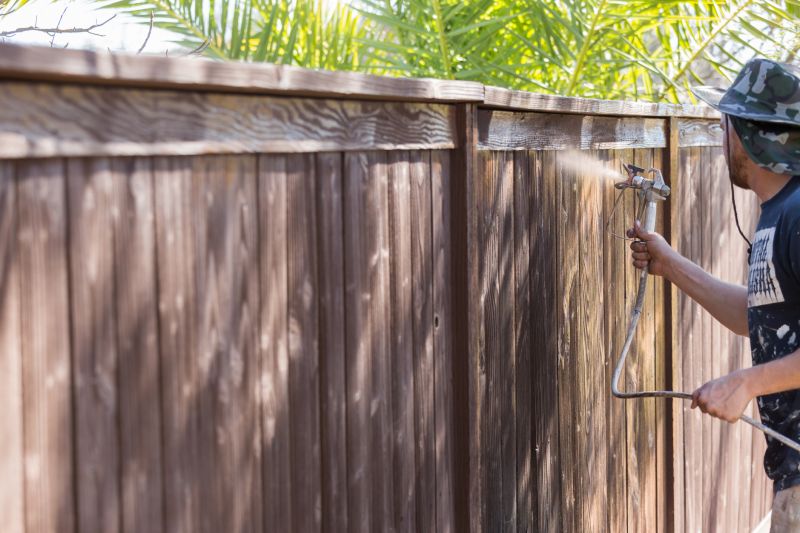
When comparing service providers for fence staining, it’s important to evaluate their experience with similar projects. Homeowners should inquire about how many fences they have stained that are comparable in size, material, or style to their own. A contractor with a proven track record of completing projects like yours is more likely to understand the specific requirements involved and deliver quality results. Checking how long a local contractor has been in business can also provide insight into their familiarity with the nuances of fence staining and their ability to handle different types of wood and finishes.
Clear, written expectations are essential when choosing a fence staining professional. Homeowners should seek detailed proposals that outline the scope of work, the types of products to be used, and the steps involved in the process. Having this information in writing helps prevent misunderstandings and ensures that both parties are aligned on the project’s goals. Reputable service providers will be transparent about their methods and provide documentation that clarifies what is included, giving homeowners confidence in the professionalism and thoroughness of the contractor.
Good communication and reputable references are key factors in selecting the right local contractor for fence staining. Homeowners are encouraged to ask for references from past clients who have had similar work done and to follow up on those references to gauge satisfaction. Additionally, a contractor who is responsive and willing to answer questions throughout the process demonstrates professionalism and a commitment to customer service. While the site introduces homeowners to local options, it’s important to remember that the actual work will be performed by qualified service providers who can be contacted directly to discuss their experience, references, and communication style.
Property owners use Fence Staining services for practical projects around their homes and businesses. This guide focuses on everyday jobs and straightforward project options.
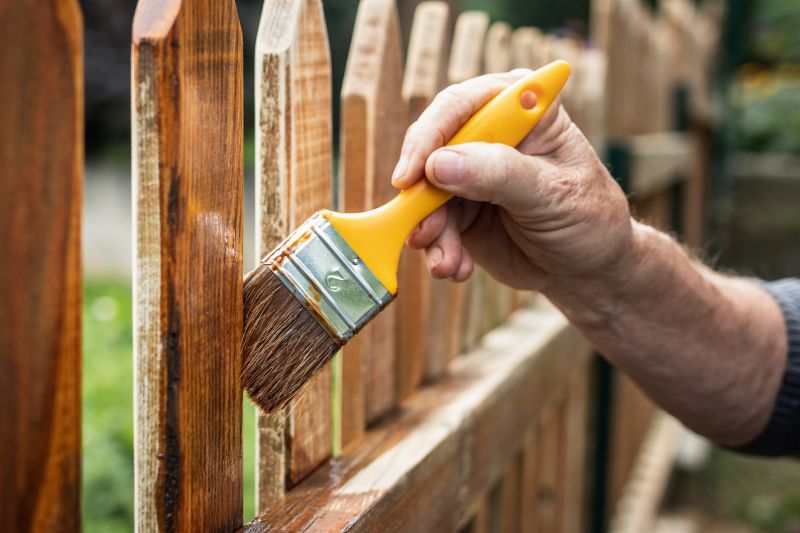
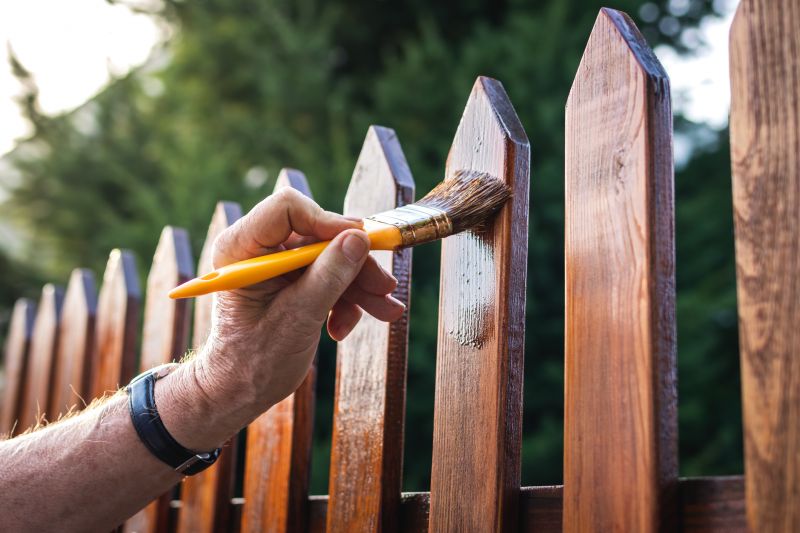
Fence staining services are often sought after by property owners looking to improve the appearance and longevity of their fences. Whether a fence has become faded from sun exposure or shows signs of wear and tear, local contractors can help restore its look and protect it from the elements. Homeowners may also consider staining when preparing for outdoor gatherings or to boost curb appeal before selling a property.
Many property owners turn to local service providers for fence staining when they want to maintain or refresh their outdoor space. Factors such as weather damage, the desire to enhance privacy, or simply wanting a more polished appearance can motivate a search for experienced contractors. These professionals can handle a range of projects, from small repairs to full fence treatments, helping property owners keep their fences in top condition.
What is fence staining? Fence staining involves applying a protective color or finish to a wooden fence to enhance its appearance and help prevent damage from weather and pests.
Why should I consider staining my fence? Staining can improve the look of a fence, extend its lifespan, and provide protection against elements like moisture and UV rays.
What types of stain are available for fences? There are various stain types, including transparent, semi-transparent, and solid stains, each offering different levels of color and protection.
Can local contractors handle different fence materials? Yes, experienced service providers can stain fences made from various materials such as wood, vinyl, or composite.
How often should a fence be stained? Typically, fences should be stained every few years, but this can vary based on the stain type and local weather conditions.
Enhance Privacy and Security - Staining a fence can improve privacy and create a more secure outdoor space for daily activities.
Restore Fence Appearance - Applying stain helps refresh worn or faded fences, making yards look well-maintained.
Protect Against Weather Damage - Staining provides a protective layer that can help prevent wood deterioration from moisture and sun exposure.
Define Property Boundaries - A stained fence clearly marks property lines, adding to the overall organization of outdoor areas.
If you are thinking about Fence Staining for a property, this guide is meant to help you understand the work, the typical project types, and how different options might fit your plans.
When you are ready, you can use the quote form on this page to share a few details about your project. From there, local pros can review the basics and respond with options that match what you have in mind.